
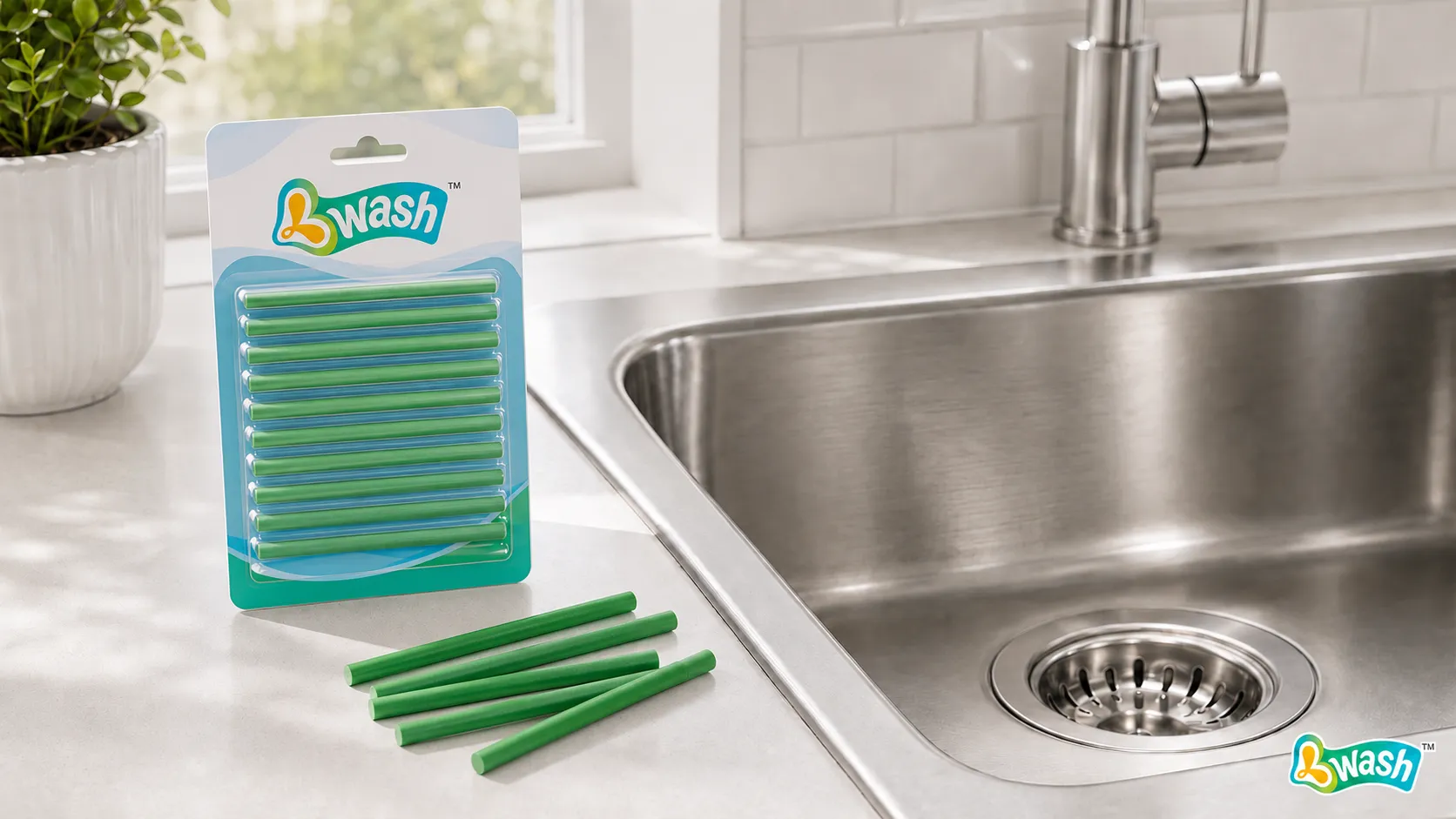
Drain cleaner sticks are slow-dissolving drain-care products designed for routine maintenance, not emergency unclogging. When the finished formula and label match the drain application, they can support regular care for organic buildup and unpleasant drain odors. They should not be presented as a guaranteed fix for a fully blocked drain, a hard object, pipe damage, or a plumbing problem that keeps returning.
This FAQ explains what drain cleaner sticks are, whether they work, how to use them, how long they last, and when a different solution is needed. For OEM and private-label programs, Lwash supplies enzyme drain cleaner sticks with customizable pack count, fragrance, color, label artwork, instructions, and retail packaging.
Quick Answers About Drain Cleaner Sticks
| Question | Short answer |
|---|---|
| What are drain cleaner sticks? | They are slow-dissolving solid products for routine drain care and odor-control support, used according to the final label. |
| Do drain sticks actually work? | They can support routine maintenance when the formula, drain application, and use schedule are appropriate. They are not a reliable emergency solution for a severe blockage. |
| Do drain cleaning sticks dissolve? | They are designed to dissolve gradually as water passes through the drain. The exact duration depends on the final formula, drain conditions, and label directions. |
| How often should drain cleaner sticks be used? | Recurring or monthly use is a common maintenance direction, but users should follow the approved instructions for the exact product. |
| Can drain sticks clear a completely blocked drain? | No. A fully blocked drain, a hard object, structural damage, or recurring backup needs diagnosis rather than more product. |
What Are Drain Cleaner Sticks?
Short answer: Drain cleaner sticks are compact solid sticks placed into a compatible drain for routine drain maintenance.
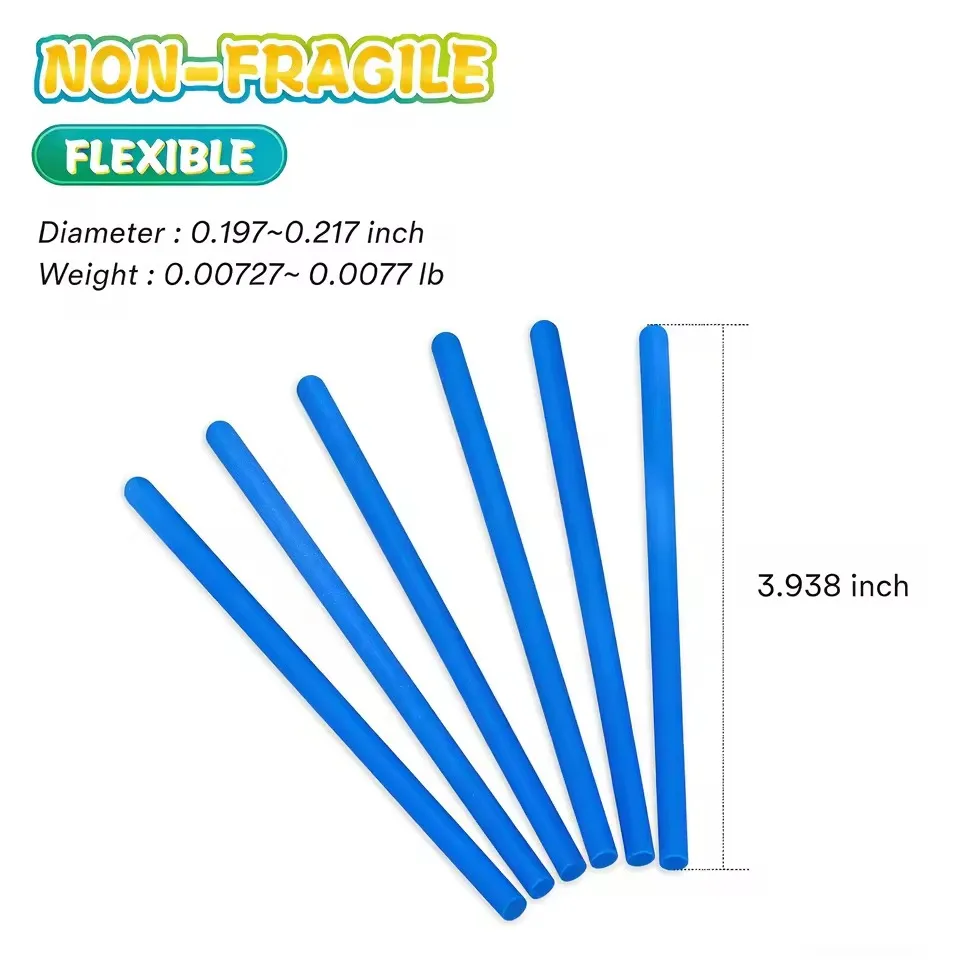
Unlike a rapid drain opener, a stick is designed to dissolve gradually as water passes through the drain. The product category is commonly used for a planned maintenance routine rather than a one-time response to a serious blockage. Depending on the confirmed formula and final label, the product can be positioned around regular care for routine organic buildup and odor support.
Lwash positions its drain cleaner sticks as a slow-dissolving routine drain-care format for compatible kitchen-sink, bathroom, shower, bathtub, and utility-area drains, subject to the approved final label. The same product page makes an important distinction: this is not an emergency drain opener for severe or completely blocked drains.
Do Drain Sticks Actually Work?
Short answer: Drain cleaner sticks can work as a routine maintenance product, but their result depends on the finished formula, drain conditions, use interval, and whether the problem is suitable for gradual maintenance.
They make the most sense when water is still moving through the drain and the goal is regular care. A slow-dissolving stick is not meant to act like a mechanical drain snake, and it should not be expected to remove a hard object, fix a broken pipe, or guarantee a result in a fully blocked line.
That distinction helps set realistic expectations. A product page can explain that sticks support recurring drain care; it should not promise that every sink, shower, or bathtub will stay clog-free. The final performance wording must match the product formula, test support, and approved label.
Do Drain Cleaning Sticks Dissolve?
Short answer: Yes. Drain cleaner sticks are designed to dissolve gradually rather than disappear immediately.
Water flow is part of how the product works in a normal-use setting. As water passes through the drain, the stick gradually releases its formula into the drain area. A stick may last differently in a lightly used bathroom drain than in a busy kitchen sink, so a fixed “works for exactly this many days” claim should only be made when the finished product instructions support it.
For private-label projects, the best way to communicate this is simple: give the customer a clear use interval on the final retail pack, then make sure that wording is supported by the actual formula and product instructions.
How Do You Use Drain Cleaner Sticks?
Short answer: Place one stick into the drain only as directed by the final product label, then let normal water use carry out the routine-maintenance cycle.
There is no universal instruction for every drain-stick formula or every drain. The approved label should state the compatible applications, the use frequency, the safety directions, and whether the product is intended for a specific sink, shower, bath, or other drain location.
Use these general rules:
- Read the full label before use and use the labeled amount only.
- Use the stick only in the drains named by the final product instructions.
- Keep the product in its original closed package until needed and keep it away from children and pets.
- Do not treat a slow-dissolving maintenance stick as a severe-clog treatment.
- Do not mix drain products or household cleaners in the same drain.
How Long Do Drain Cleaner Sticks Last?
Short answer: The right answer is the one on the finished product label. Monthly or recurring use is a common maintenance direction, but the exact interval depends on the formula and the drain’s use conditions.
Lwash’s current product direction supports a recurring monthly-maintenance story, while also noting that high-use drains may need a different schedule according to local label guidance. For a buyer, this makes pack count important: a 6-, 12-, or 24-stick pack can be planned around a clear recurring-use message once the final instructions are confirmed.
Can You Use Drain Cleaner Sticks in a Shower, Bathtub, or Kitchen Sink?
Short answer: Only use them in the applications named by the exact product label.
These are common drain-stick use cases, but they are not a universal compatibility claim. Different drains can have different water flow, buildup, pipe materials, strainers, and local product requirements. A buyer should confirm the intended applications before printing the retail label or publishing product claims.
If a drain is already fully blocked, repeatedly backs up, leaks, or affects more than one fixture, stop treating it as a maintenance situation. It may need a mechanical solution or professional inspection.
Can Drain Cleaner Sticks Clear a Fully Blocked Drain?
Short answer: No. A routine maintenance stick should not be marketed or used as a guaranteed solution for a severe or fully blocked drain.
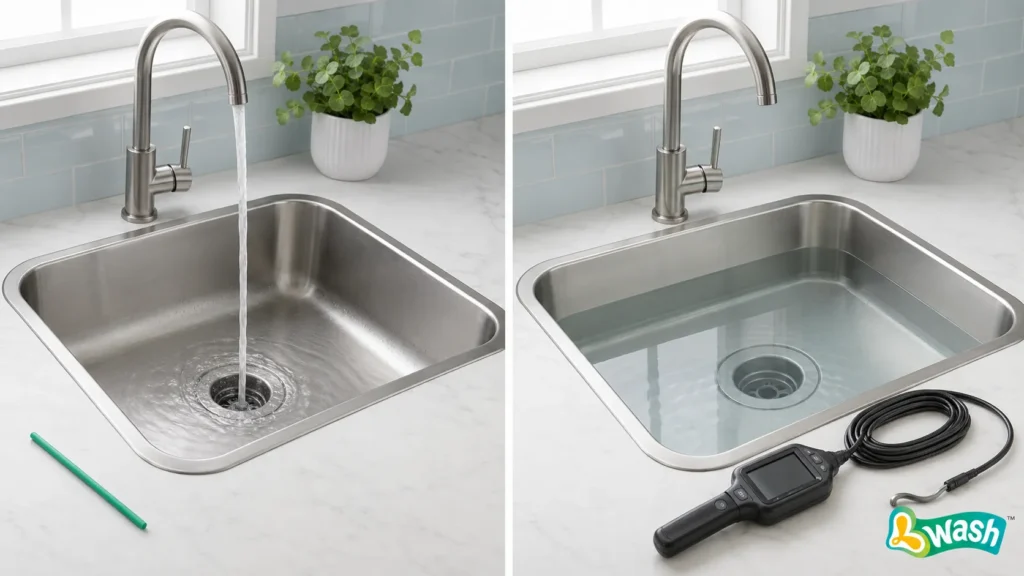
A stick is not the right choice when there is a hard object, a dense hair mass, construction material, pipe damage, a main-line problem, sewage backup, or repeated loss of drainage. Adding more product without knowing what is in the drain can make the situation harder to diagnose.
For an existing slow-drain problem that is suitable for the final formula, a different drain-care format may be appropriate. See drain cleaner powder versus drain cleaner sticks for the difference between problem-treatment and planned-maintenance positioning.
Why Do Plumbers Say Not to Use Drain Cleaner?
Short answer: The concern is usually about misuse, unknown chemicals in the drain, severe blockages, and strong caustic drain-openers—not a reason to treat every drain-care format as identical.
Drain-cleaner products can contain very different types of ingredients. Poison Control explains that drain cleaners may use enzymes and bacteria or may contain strong acidic or alkaline chemicals; powerful chemical products can cause serious harm when misused. That is why users should never assume that every drain product works the same way or is suitable for every plumbing problem.
A slow-dissolving stick should stay in its proper lane: routine maintenance under the approved instructions. If the drain is fully blocked, has standing water, contains an unknown cleaner, or has a recurring plumbing problem, stop adding products and seek the right mechanical or professional solution. See Poison Control’s drain-cleaner safety overview for general household-drain-cleaner safety information.
Can You Use Baking Soda, Vinegar, or Another Cleaner With Drain Sticks?
Short answer: Do not combine drain sticks with another drain product or household cleaner unless the finished product label specifically allows it.
Online cleaning tips often suggest baking soda, vinegar, bleach, acids, or other products for drains. The safe public guidance is not to layer products in a drain when you do not know what is already there. Mixing cleaners can create unwanted reactions, splashing, fumes, or a drain that is harder for a plumber to work on later.
Use one product exactly as directed. If the stick is not solving the problem, do not keep adding cleaners. Identify the type of blockage or arrange professional inspection.
How Should You Choose Drain Cleaner Sticks?
Short answer: Choose a stick for routine maintenance, not for a severe-clog emergency, and check the label before treating compatibility or safety claims as facts.
| Check before buying or sourcing | Why it matters |
|---|---|
| Intended drain applications | The final label should name the compatible drain locations and any limitations. |
| Maintenance versus treatment positioning | A routine stick needs a different customer promise from a product designed for an existing slow drain. |
| Use frequency and pack count | The retail pack should make the repeat-use routine easy to understand. |
| Formula, SDS, and claim support | Pipe compatibility, deodorizing, enzyme, septic, environmental, and safety claims need evidence for the finished product. |
| Warnings and label language | Clear directions reduce misuse, returns, and customer-service risk. |
Are Drain Cleaner Sticks Safe for Septic Systems?
Short answer: Do not make a septic-safe claim unless the finished formula, product documentation, and target-market review support it.
Septic-system compatibility is product-specific. The U.S. Environmental Protection Agency notes that bacterial or chemical septic additives are generally not recommended for domestic wastewater treatment and that consumer-product claims may have limited independent evidence. A drain stick should therefore not be described as a septic-system treatment or performance enhancer without suitable support. See the EPA septic tank additives fact sheet for context.
Are Drain Cleaner Sticks the Same as Drain Cleaner Powder or Tablets?
Short answer: No. They are related drain-care formats, but they can have different formulas, application methods, timing, packaging, and claims.
Drain cleaner sticks are usually positioned as a scheduled, slow-dissolving maintenance product. Powder may be developed for a different use moment, such as a suitable existing slow-drain or organic-buildup situation. Drain-cleaner tablets are another separate format that can use different activation and placement instructions.
For a clearer product line, keep the instructions and claims separate for every SKU. Do not reuse a powder’s dose, waiting time, pipe claim, or warning panel for a drain-stick pack.
Can You Put Drain Cleaner Sticks in a Dishwasher or Washing Machine?
Short answer: No—not unless the exact product label specifically names that appliance use.
Drain cleaner sticks are not dishwasher-cleaner tablets or washing-machine-cleaner tablets. Appliances have different materials, wash cycles, water volumes, and product requirements. Use an appliance-care product that is made and labeled for that specific machine.
Private Label Drain Cleaner Sticks: What Should Buyers Confirm?
Short answer: Buyers should confirm the finished formula, target market, label claims, usage instructions, pack count, and packaging before they approve production.
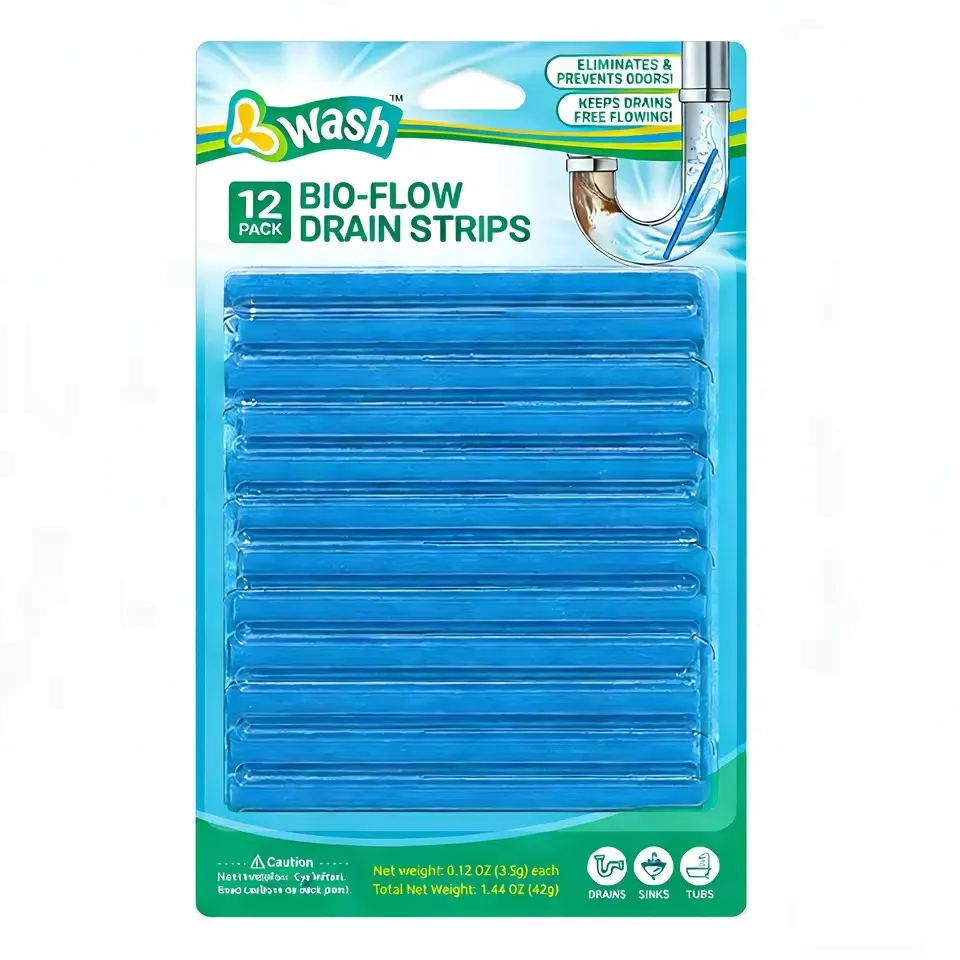
Lwash can support a private-label drain-care program with custom stick count, fragrance, color, label artwork, retail box or pouch, multilingual instructions, and outer cartons. Before samples are approved, buyers should confirm:
- the target market and intended sales channel
- the approved drain applications and exclusions
- the final formula direction, SDS, and warning copy
- the intended recurring-use instructions
- the pack count, fragrance, color, barcode, and retail artwork
- which pipe, deodorizing, environmental, or safety claims have actual support
- MOQ, lead time, sample approval, carton details, and reorder plan
See the Lwash enzyme drain cleaner sticks product page, or contact Lwash to discuss samples and private-label packaging.
Conclusion
Drain cleaner sticks are best understood as a convenient routine-maintenance format. They can support regular drain care when the formula, drain application, and label directions match the situation. They are not a substitute for diagnosis when a drain is fully blocked, repeatedly backs up, leaks, or contains an unknown chemical product.
For private-label buyers, the strongest retail story is clear and limited: a slow-dissolving stick for planned drain maintenance, backed by precise use directions, realistic claims, and packaging that fits the customer’s repeat-use routine.