
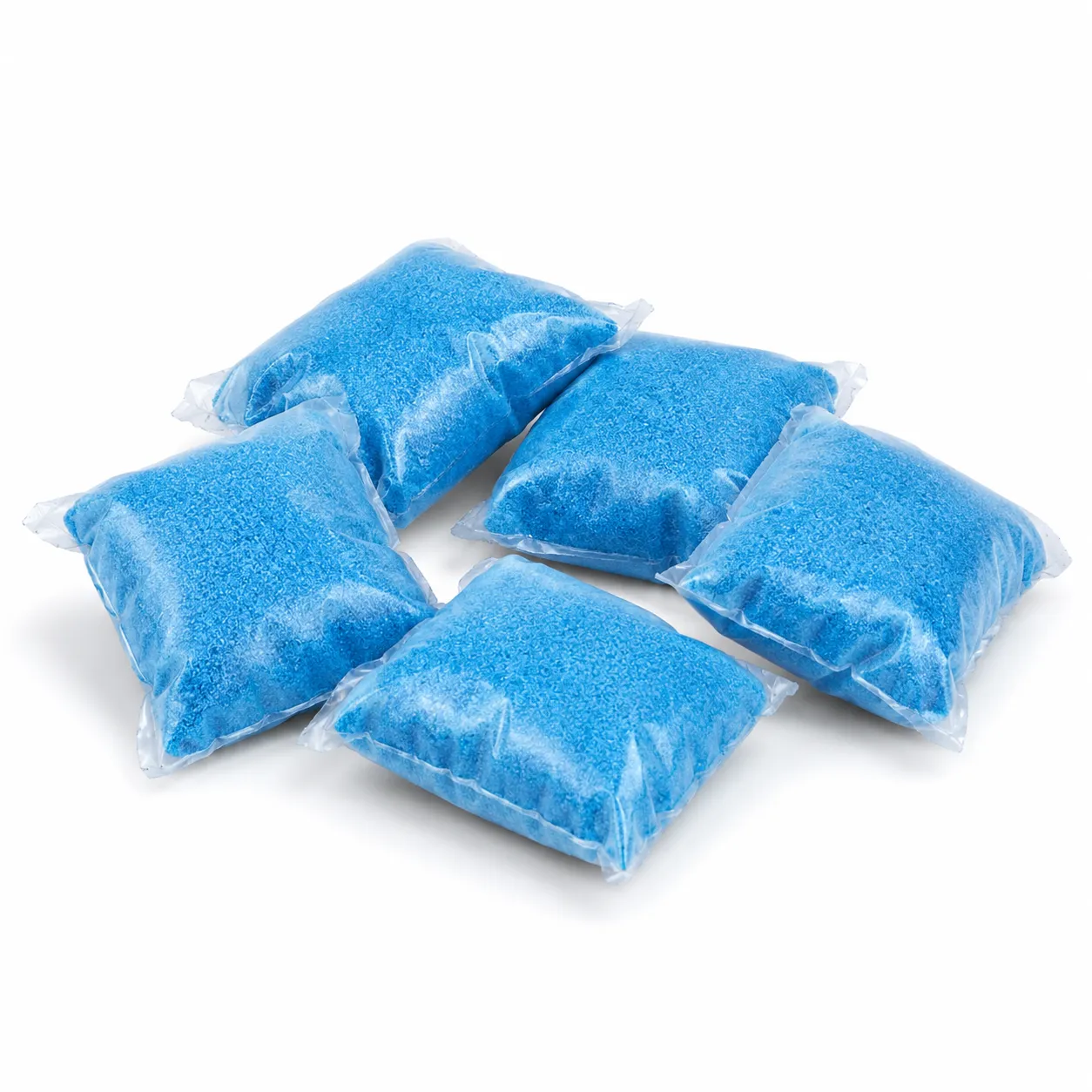
RV tank treatment is not one single product type. Shoppers and buyers may find liquids, dry powders, water-soluble drop-in pods, enzyme formulas, bacteria blends, fragranced products, and treatments positioned for different holding tanks.
The right choice starts with a basic question: which RV tank are you treating, and what does the product label say it is designed to do?
An RV fresh water tank, grey water tank, and black water tank serve different purposes. A product intended for toilet waste and black water should not automatically be treated as suitable for drinking-water systems, grey tanks, household septic systems, or every portable toilet.
This guide explains how to compare RV tank treatment options, how to read usage directions, and what private label buyers should confirm before selecting a product and packaging format.
What Does RV Tank Treatment Mean?
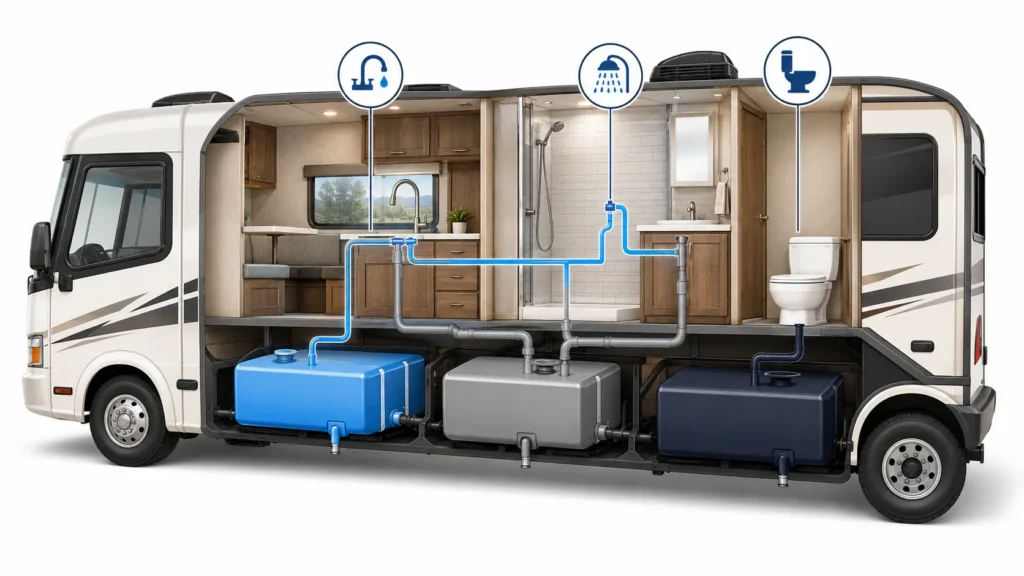
The phrase “RV tank treatment” is broad. In most shopping and search contexts, it refers to a product used for an RV black water tank or waste holding tank.
However, RVs commonly contain more than one type of tank:
- A fresh water tank stores water for drinking, cooking, washing, or other onboard uses.
- A grey water tank collects wastewater from sinks and showers.
- A black water tank collects waste and water from the RV toilet.
These systems should not be treated as interchangeable. Before using any treatment, confirm that the label specifically identifies the intended tank and application.
For black tanks, products are commonly positioned around waste and toilet-paper breakdown support, odor control, easier dosing, and routine holding-tank care. The expected result, dosage, and use frequency still depend on the final formula and label directions.
What Should You Look for in an RV Black Tank Treatment?
The best RV black tank treatment is not simply the product with the strongest front-label promise. A more useful comparison looks at the product’s intended tank, formula direction, format, dose, instructions, warning panel, and real use conditions.
1. Clear Application
The label should clearly say whether the product is intended for:
- RV black water tanks
- RV waste holding tanks
- marine holding tanks
- portable toilets
- grey water tanks
- another specific sanitation application
A broad phrase such as “tank cleaner” is not enough. Buyers should make the intended application easy to understand on the front panel, product listing, and usage directions.
2. Formula Direction
RV tank treatments can use different formula approaches. Some products use enzyme and bacteria blends intended to support the breakdown of waste and toilet paper over time. Other treatments use different active systems or focus more heavily on odor-control performance.
Thetford’s explanation of enzyme RV treatments notes that enzyme-based holding tank products commonly use blends of enzymes and beneficial bacteria. It also explains that enzyme treatments may need time and suitable tank conditions to work.
This is why labels should avoid vague promises. Buyers should confirm what the formula is designed to support, how quickly it is expected to work, and which statements are supported by the final product documents and testing.
3. Product Format
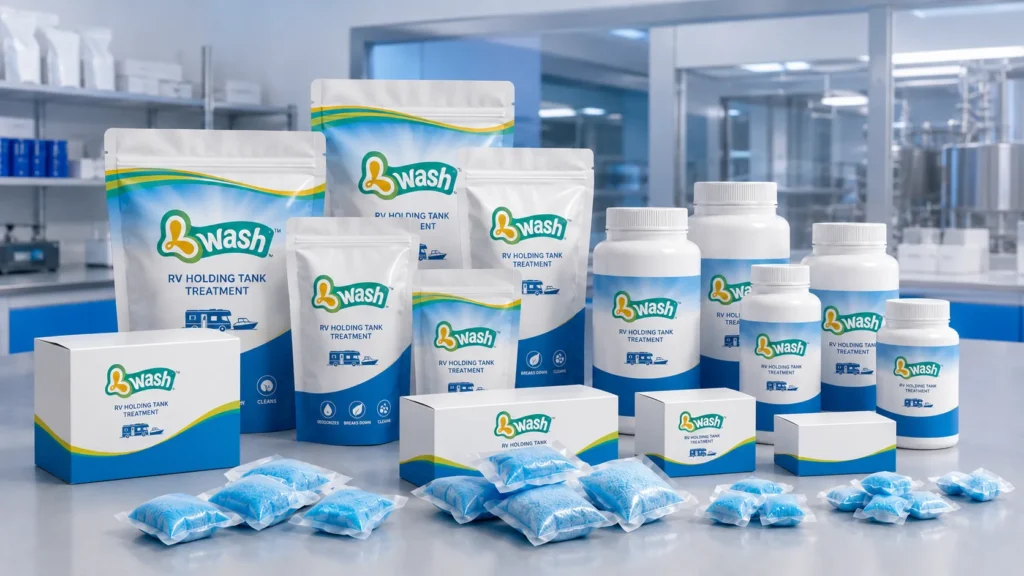
RV tank treatment is available in several formats:
| Format | Main Advantage | What to Check |
|---|---|---|
| Liquid | Flexible dosing and familiar use | Measuring instructions, bottle sealing, shipping weight |
| Dry powder or sachet | Compact and easy to store | Dose clarity, moisture protection, handling instructions |
| Water-soluble drop-in pod | Pre-measured and convenient | Film stability, storage, pack count, warning text |
| Tablet or other solid format | Compact retail presentation | Dissolving behavior, dosage, packaging protection |
No format is automatically best for every channel. E-commerce sellers may prefer compact packaging and clear pack counts. Retailers may care about shelf presentation and repeat purchase. RV brands may focus on simple use directions and product-line consistency.
4. Dose and Tank Capacity
Users should not assume that one pod, one scoop, or one bottle dose works for every tank.
The product label should explain:
- the amount used per treatment
- the tank capacity covered by that dose
- whether water should be added
- when the product should be added
- when an additional dose may be needed
- storage and handling instructions
Different brands publish different dose directions. Therefore, the final approved label should always take priority over a generic online guide.
5. Warning and Claim Wording
Statements such as “safe for all RV tanks,” “works instantly,” “prevents backups,” “non-toxic,” “biodegradable,” or “septic safe” should not be printed as broad promises without suitable evidence and target-market review.
For private label programs, claim review should happen before final packaging artwork. Buyers should confirm the formula, SDS, ingredient declaration, warnings, usage panel, and any testing needed for the target market.
Enzyme and Bacteria RV Tank Treatment
Searches for rv black tank enzyme treatment and rv black tank treatment with bacteria and enzymes show that many users are actively comparing bio-enzymatic formula directions.
In general, enzyme and bacteria RV treatments are designed to support the breakdown of organic waste and toilet paper inside a waste holding tank. Their performance can be influenced by:
- the confirmed formula
- tank conditions
- water quantity
- temperature
- retention time
- previous chemicals used in the tank
- dose and application frequency
An enzyme and bacteria label should still give practical instructions. The formula direction alone does not tell a customer how much to use, how often to apply it, or whether it fits a specific RV system.
Private label buyers should also avoid copying another brand’s environmental, safety, speed, or performance claims. Similar product formats do not automatically have the same formula evidence.
Why Drop-In RV Tank Treatment Pods Are Popular
Drop-in pods offer a simple, pre-measured format. Instead of measuring a liquid or loose powder, the user follows the approved label and adds the specified pod dose.
For retail and private label programs, water-soluble pods can support:
- simple use instructions
- compact storage
- clear pack-count communication
- pouch or bottle packaging
- e-commerce and retail bundle options
- customized fragrance, color, label language, and packaging artwork
Lwash can discuss private label RV tank treatment projects using a 30g water-soluble pod direction, with pouch or bottle packaging options and customizable pack counts. The final formula, pod specification, dosage, tank-capacity statement, warnings, and claims should be confirmed before mass production.
For buyers, the water-soluble film and outer packaging both matter. The pack should protect the pods from moisture during storage and transport, and the warning panel should explain handling clearly.
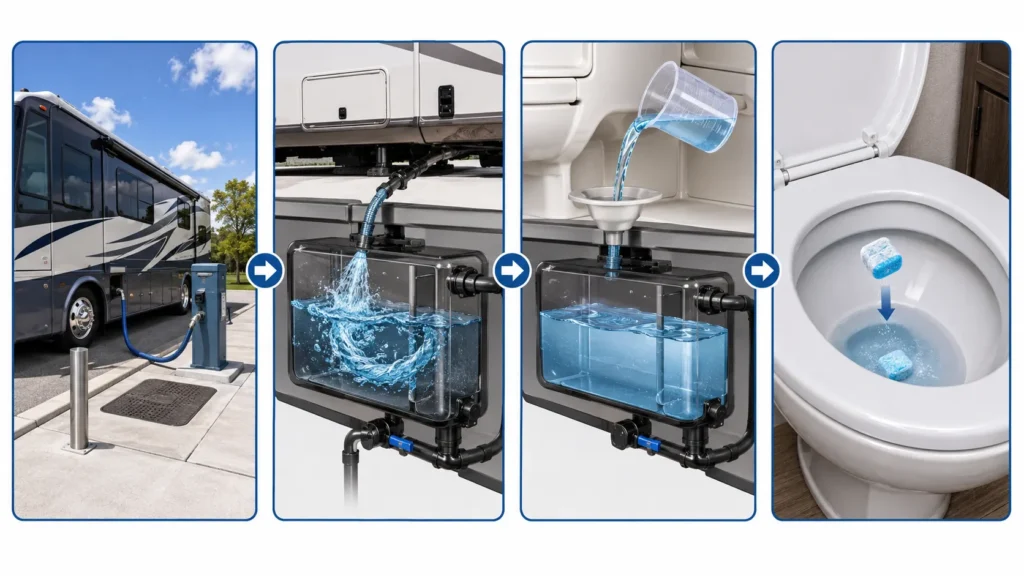
When Should You Add RV Tank Treatment?
Many RV treatment products instruct users to add a new dose after the black tank has been emptied and rinsed. Some also specify adding water or adjusting use based on tank size, temperature, trip duration, or odor conditions.
The safest general answer is:
- Empty and maintain the tank according to the RV manufacturer’s instructions.
- Follow the treatment label for the correct dose and water quantity.
- Add the treatment at the time specified on the label.
- Do not mix it with other tank chemicals unless the label explicitly allows it.
- Repeat only at the labeled interval or when the approved instructions require it.
Water and routine tank maintenance remain important. Camco’s black water tank maintenance guide emphasizes using enough water, flushing the tank, applying the right treatment, and maintaining seals and tank components.
An RV tank treatment is part of a maintenance routine. It is not a replacement for proper dumping, flushing, leak inspection, ventilation checks, or professional servicing when a problem persists.
Can You Use Household Septic Tank Treatment in an RV?
Do not assume that a household septic tank treatment can be used in an RV black tank simply because both products mention bacteria, enzymes, or waste breakdown.
An RV black tank is a portable waste holding tank that is regularly emptied. A household septic system is a fixed onsite wastewater treatment system that includes a septic tank and drainfield. Their capacity, retention time, maintenance process, and regulatory context are different.
The U.S. Environmental Protection Agency’s septic tank additives fact sheet states that additives containing bacteria or chemicals are not recommended for domestic wastewater treatment because properly functioning septic systems already contain the microorganisms they need. The EPA also advises checking state and local requirements.
For RV use, choose a product whose approved label specifically identifies RV black tanks or RV waste holding tanks. For a household septic system, follow local guidance and consult a septic professional when needed.
For manufacturers and private label buyers, RV treatment and household septic treatment should have separate application reviews, dosage directions, labels, and claim checks even when a project begins from a similar formula direction.
Should You Use Dawn, Vinegar, Baking Soda, or Homemade RV Tank Treatment?
Homemade RV holding tank treatment is a common search topic, but popular online hacks are not automatically suitable for every RV toilet, seal, tank, sensor, or treatment formula.
Avoid mixing dish soap, vinegar, baking soda, bleach, drain opener, disinfectant, or other cleaners in an RV tank unless the RV manufacturer and the product label clearly allow the combination.
Mixing products may change performance, create unexpected residue or foam, affect materials, or conflict with the intended treatment system. If an RV has persistent odors, poor drainage, inaccurate sensors, leaks, or solid buildup, diagnose the maintenance issue instead of repeatedly adding unrelated household products.
What Private Label Buyers Should Check Before Sourcing RV Tank Treatment
RV tank treatment is a product where clear instructions and realistic claims matter as much as the product format.
Before requesting samples, buyers should prepare:
- target country or region
- intended application: RV black tank, marine holding tank, portable toilet, or another use
- preferred formula direction
- liquid, powder, pod, or other format
- target dose and tank-capacity direction
- preferred pouch, bottle, box, or bundle packaging
- pack count and pod weight
- fragrance and color preference
- label language and warning-panel requirements
- sales channel and expected order quantity
- claims that require testing or compliance review
When reviewing a sample, buyers should check:
- whether the product format is easy to use
- whether the dose is clear
- whether pods and packaging remain stable during storage
- whether the package protects against moisture
- whether the label separates RV, septic, marine, and portable-toilet applications clearly
- whether warning and first-aid text is complete
- whether claims match the final formula and available evidence
- whether the supplier can support repeat orders and packaging consistency
For a private label project, a short and accurate usage panel is usually more valuable than a long list of aggressive claims.
For a broader supplier comparison, see the Household Cleaner Manufacturer: Private Label Guide.
Conclusion
Choosing RV tank treatment starts with the intended tank, formula direction, product format, dose, and approved label.
Enzyme and bacteria formulas, liquids, powders, and drop-in pods can all fit different products and sales channels. The important step is to match the product to the RV black tank use case and explain the dose, water requirements, warnings, and performance boundaries clearly.
Household septic treatment should remain a separate topic. A similar formula direction does not make RV and household septic products automatically interchangeable.
For brands, distributors, retailers, and e-commerce sellers developing a private label RV tank treatment line, Lwash can discuss 30g water-soluble pod directions, pouch or bottle packaging, pack-count options, fragrance, color, multilingual labels, samples, and OEM/ODM requirements.
View the Lwash RV black tank treatment product page or contact Lwash to discuss your target market and packaging plan.
FAQ
What is RV tank treatment used for?
RV tank treatment commonly refers to a product intended for RV black water or waste holding tank care. Depending on the confirmed formula and label, it may be positioned for waste and toilet-paper breakdown support, odor control, or routine holding-tank maintenance.
What is the best RV tank treatment?
The best choice is a product clearly labeled for the intended RV tank, with a suitable formula direction, easy-to-follow dose, realistic claims, complete warnings, and a format that matches the user’s maintenance routine. A single product cannot be assumed to be best for every RV.
Are enzyme and bacteria RV tank treatments the same?
Not always. Some treatments use enzymes, some use bacteria blends, and some combine both. Buyers should confirm the final formula, expected use conditions, dose, and supporting documents instead of relying only on front-label wording.
When should I add RV tank treatment?
Follow the final product label. Many products direct users to add a dose after emptying and rinsing the black tank, often with a specified amount of water. Use frequency and dose can vary by formula, tank capacity, conditions, and label directions.
Can I use septic tank treatment in an RV black tank?
Only use a product in an RV black tank when its approved label specifically identifies RV or waste holding tank use. Household septic systems and RV black tanks operate differently, so products should not be assumed to be interchangeable.
Can I put Dawn, vinegar, or baking soda in my RV black tank?
Do not add or mix household cleaners unless the RV manufacturer and treatment label explicitly allow them. Online DIY methods may not suit every tank, seal, sensor, or formula.
What are the advantages of RV tank treatment pods?
Pods provide a pre-measured, compact drop-in format. For private label programs, they can support clear pack counts, pouch or bottle packaging, simple use directions, and e-commerce or retail bundles.
What should buyers confirm before ordering private label RV tank treatment?
Confirm the intended application, formula direction, product format, dose, tank-capacity statement, packaging, pod count, fragrance, color, warnings, label language, claims, samples, MOQ, lead time, and repeat-order requirements.